Recently I visited the Setouchi Art Triennale, thanks to a lucky draw. The two islands Teshima and Naoshima are at the center of the Triennale with notable museums and a set of temporary exhibitions.
Setouchi Triennale (2/3) – Teshima
Recently I visited the Setouchi Art Triennale, thanks to a lucky draw. The two islands Teshima and Naoshima are at the center of the Triennale with notable museums and a set of temporary exhibitions.
Recently I visited the Setouchi Art Triennale, thanks to a lucky draw. This contemporary art exhibition takes place every three years on the islands of the Setouchi region.
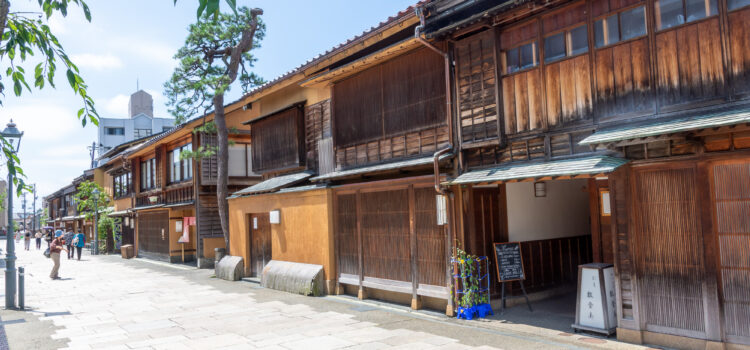
On the last day of my Obon vacation I visited Kanazawa en route to Kyoto. Minutes before I left Toyama, I bought masuzushi, a local speciality. It is a kind of pressed sushi (oshizushi) with trout, which is related to
After the active two days in Kamikochi I planned a day of recovery in Toyama. When I returned from Kamikochi I witnessed how a front of bad weather developed over the whole Hokuriku area, with heavy rainfalls forecasted for the following day.
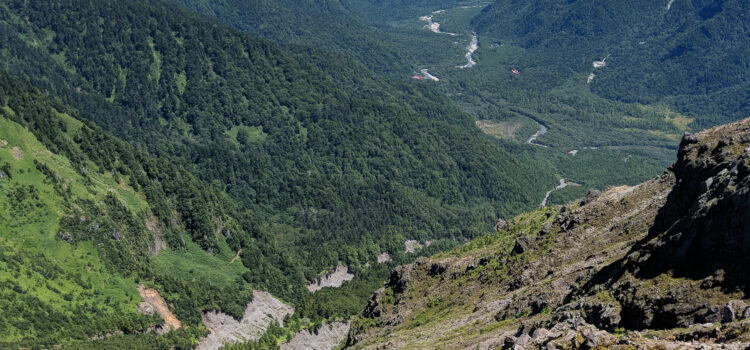
Located deep in the mountains of Nagano prefecture, access to Kamikochi is not possible in Winter. The Azusa river delivers crystal clear water along the valley and with the surrounding mountains it is a great destination for hikers and day visitors at the same time.
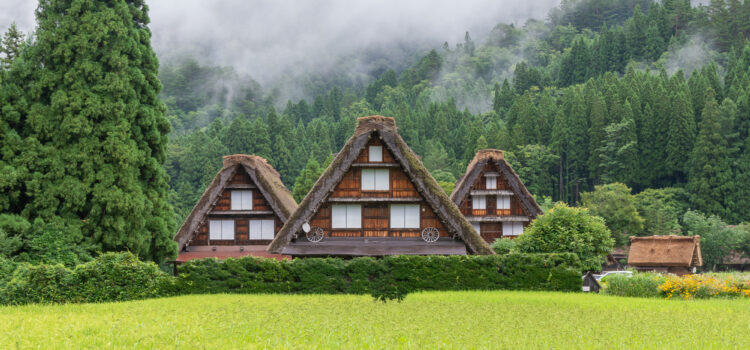
After the short intermission in Kyoto to see the Gozan no Okuribi, I set out for the Hokuriku region for the remainder of my vacation. Shirakawagô is one of my favorite places in Japan and that is why it draws me back for the third time.
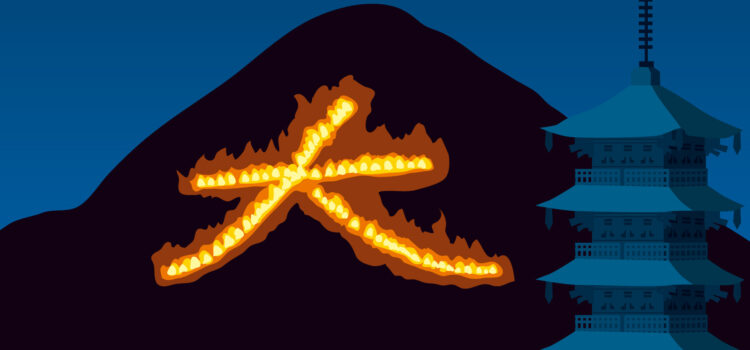
Obon is one of the most important celebrations in Japan, during which the ancestors are honored and the family unites. Today I want to talk about „Gozan no Okuribi“ that took place at the end of Obon in Kyoto.
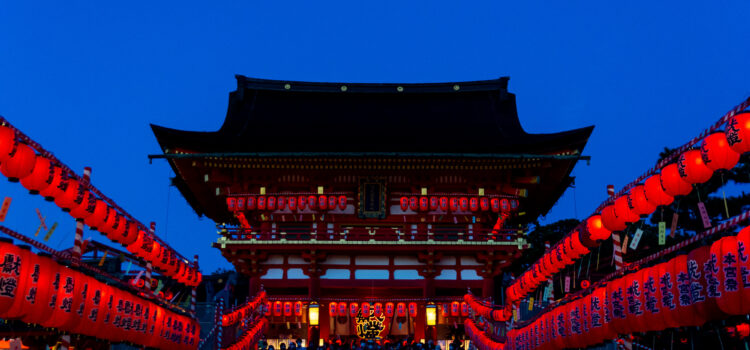
Fushimi Inari shrine is visited by virtually every visitor to Kyoto. I also came here many times and last time in April I climbed Mount Inari to the top. Coinciding with Gion Matsuri in July, the Motomiya festival took place at the shrine. Countless lanterns provided a different atmosphere than usual.
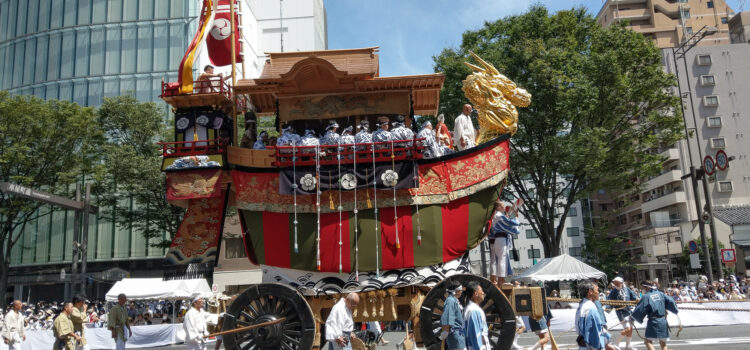
The last post in this series about the Gion Matsuri in Kyoto is about the Ato Matsuri Yamaboko parade. The second parade is a bit shorter than the first, but not less interesting my any means.
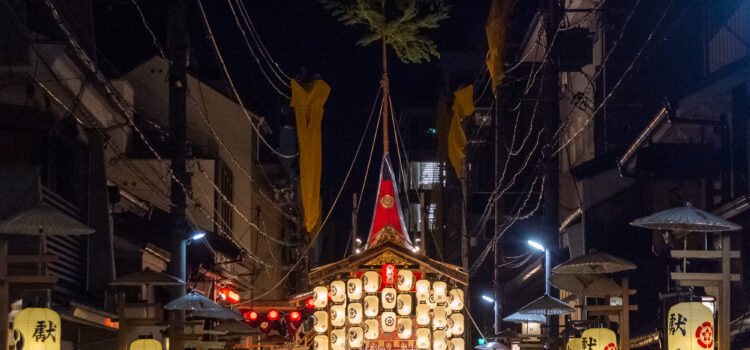
After the Saki Matsuri concluded with the big parade, you would think that was the finale. In contrast, this marks the beginning of the Ato Matsuri cycle. In the following week the remaining 11 floats are constructed, exhibited and then parade through the city.
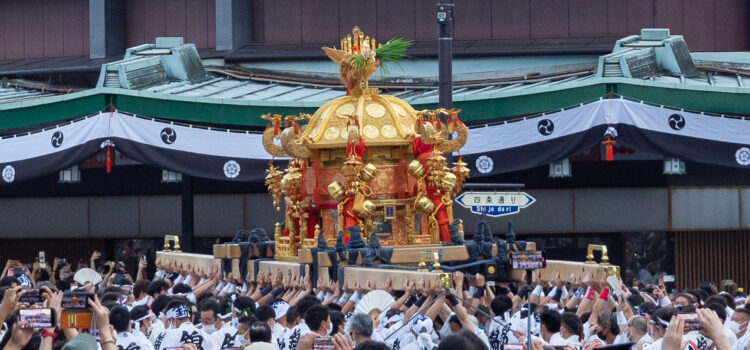
Today’s post is about the Shinkosai. At Yasaka Shrine four mikoshi (portable shrines) paraded through the neighborhood and then were carried down Shijo dori.

I eluded to this in April, but I am currently working at Kyoto University as a visiting researcher. Funded by the Young Researchers’ Exchange Programme, I could spend six months abroad to collaborate with another chemistry group and learn new skills. At the same time, a colleague of mine in the Morandi group, Elliott, went to Seoul, South Korea for a research exchange.
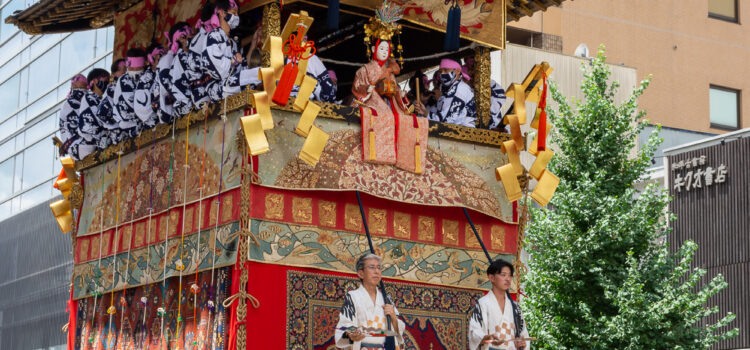
If one had to choose the highlight of Gion Matsuri, it would be the parade of floats on Sunday. After the floats had been constructed and exhibited, they are pulled through the heart of Kyoto.
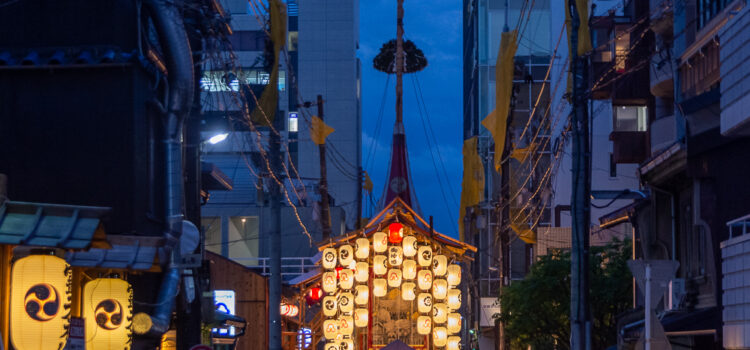
Kyoto’s biggest festival is back after two years of hiatus. Today’s post will be about the festivities leading up to the saki matsuri yamaboko parade, the yoi(yoiyoi)yama.
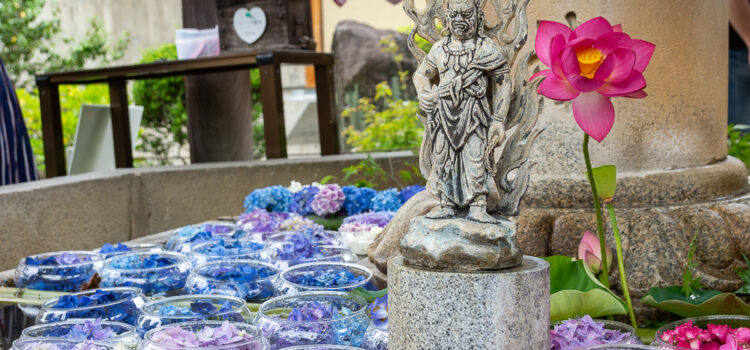
With June comes the rainy season (at least normally) and with it the hydrangea blossoms. One of the best places to see them is Mimuroto Temple in Uji.